
 -4°C / 25°F
Overcast
|
Current time: 23:45
|
06:34
17:40
-4°C / 25°F
Overcast
|
Current time: 23:45
|
06:34
17:40
Montreal is the largest city in the province of Quebec and the second-largest city in Canada, with a population of 1,800,055. Founded in 1642 as Ville-Marie, the city developed from a French colonial settlement into a major North American metropolis shaped by both French and British influences. Its long history is reflected in neighborhoods such as Old Montreal, where cobblestone streets, historic buildings, and the Old Port preserve the city’s colonial heritage.
Montreal is an important cultural, economic, and educational center, known for its bilingual character and vibrant arts scene. The city hosts internationally renowned institutions such as the Montreal Museum of Fine Arts, one of Canada’s largest art museums, and numerous festivals celebrating music, film, and comedy. The skyline combines historic architecture with modern landmarks, while Mount Royal provides a central green space overlooking the city.
Montreal has also produced or been closely associated with many influential figures. Notable personalities include singer Céline Dion, poet and musician Leonard Cohen, and actor William Shatner, all of whom have contributed to the city’s strong international cultural reputation.
Montreal in Canada
73.6° W
Montreal Population Evolution
Population Summary
| Year | Population | Change |
|---|---|---|
| 1790 | 18,000 | |
| 1881 | 176,263 | +879.2% |
| 1961 | 1,201,559 | +581.7% |
| 2001 | 1,039,534 | -13.5% |
| 2022 | 1,800,055 | +73.2% |
Interactive Map of Montreal
What to see in Montreal
Bell Centre
Notre-Dame Basilica
Habitat 67
Montreal Museum of Fine Arts
National Film Board of Canada
Montreal City Hall
Mary, Queen of the World Cathedral
Old Montreal
sociological neighborhoodFamous People Born in Montreal
William Shatner
astronautCanadian actor
Leonard Cohen
screenwriterCéline Dion
composerCanadian singer
Sister Cities of Montreal
Sister cities, also known as twin cities, are formal partnerships between cities in different countries to promote cultural and commercial ties.
This list is based on publicly available structured data and may differ slightly from official municipal publications.
| City | Country | Population |
|---|---|---|
| Shanghai | 🇨🇳 People's Republic of China | 24,870,895 |
| Hanoi | 🇻🇳 Vietnam | 8,717,600 |
| Rio de Janeiro | 🇧🇷 Brazil | 6,211,223 |
| Melbourne | 🇦🇺 Australia | 5,350,705 |
| Busan | 🇰🇷 South Korea | 3,453,198 |
| Algiers | 🇩🇿 Algeria | 2,364,230 |
| Manila | 🇵🇭 Philippines | 1,902,590 |
| Quito | 🇪🇨 Ecuador | 1,763,275 |
| Barcelona | 🇪🇸 Spain | 1,731,649 |
| Bucharest | 🇷🇴 Romania | 1,716,961 |
| Guadalajara | 🇲🇽 Mexico | 1,385,621 |
| Hiroshima | 🇯🇵 Japan | 1,198,021 |
| Yerevan | 🇦🇲 Armenia | 1,106,300 |
| Port-au-Prince | 🇭🇹 Haiti | 987,310 |
| Boston | 🇺🇸 United States | 675,647 |
| Tunis | 🇹🇳 Tunisia | 602,560 |
| Lyon | 🇫🇷 France | 519,127 |
| San Salvador | 🇸🇻 El Salvador | 330,543 |
| City of Brussels | 🇧🇪 Belgium | 195,546 |
Books about Montreal
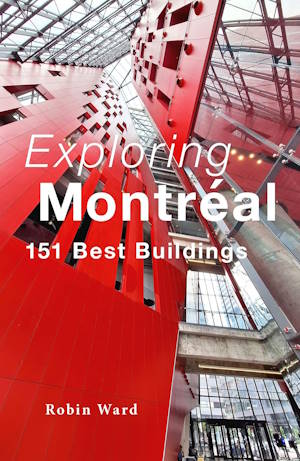
Exploring Montréal: 151 Best Buildings
A comprehensive architectural tour of Montreal’s most interesting buildings from historic to contemporary design, organized with maps and routes.
View Book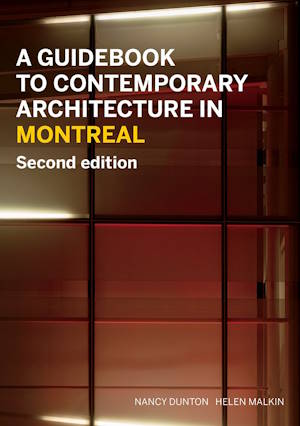
A Guidebook to Contemporary Architecture in Montreal
An accessible architectural guide presenting 75 noteworthy modern buildings and public spaces in Montreal’s neighborhoods.
View BookLearn more about Montreal
Frequently Asked Questions about Montreal
Where is Montreal located?
Is Montreal a French-speaking city?
What is Montreal known for?
How old is Montreal?
Is Montreal the capital of Quebec?
What Is the Population of Montreal in 2026?
The population of Montreal in 2026 is estimated to 1,948,480 inhabitants. This estimate is taken from our extrapolation of available data and not an official estimate.