 9°C / 48°F
Overcast
|
Current time: 05:42
|
07:49
19:06
9°C / 48°F
Overcast
|
Current time: 05:42
|
07:49
19:06
Madrid is the capital and largest city of Spain, with an estimated population of about 3,316,850 in 2026. Located in the center of the Iberian Peninsula, it serves as the country’s political, economic, and cultural hub. Madrid originated as a Moorish fortress known as Mayrit in the 9th century and became the capital of Spain in 1561 under King Philip II. Since then, it has played a central role in Spanish history, including the Spanish Empire, the Napoleonic occupation, the Civil War (1936–1939), and the country’s democratic transition.
The city is renowned for its architectural and cultural landmarks, such as the Royal Palace, the Prado Museum, and the Plaza Mayor. Madrid is also known for its vibrant cultural life and football heritage, notably through Real Madrid. Notable figures born in Madrid include singer Enrique Iglesias, Golden Age playwright Lope de Vega, and footballer Raul.
Madrid in Spain
3.7° W
Madrid Population Evolution
The population of Madrid in 2026 is estimated to 3,316,850 inhabitants. This estimate is taken from our extrapolation of available data and not an official estimate.
Population Summary
| Year | Population | Change |
|---|---|---|
| 1842 | 157,397 | |
| 1897 | 510,616 | +224.4% |
| 1930 | 863,958 | +69.2% |
| 1981 | 3,158,818 | +265.6% |
| 2021 | 3,277,451 | +3.8% |
Interactive Map of Madrid
What to see in Madrid
Bernabéu Stadium
stadiumReal Madrid's home ground, stadium in Madrid
Museo del Prado
organizationSpanish national art museum in Madrid, Spain
Museo Nacional Centro de Arte Reina Sofía
art museumnational museum of art in Madrid, Spain
Royal Palace of Madrid
official residenceofficial residence of the Spanish Royal Family
Plaza Mayor
squareGran Via
streetAlmudena Cathedral
Catholic cathedralFamous People Born in Madrid
Lope de Vega
Spanish playwright and poet
Francisco Quevedo
Spanish writer;
Pedro Calderón de la Barca
Spanish dramatist
Charles II of Spain
king of Spain, lived
José Echegaray
Spanish playwright
George Santayana
Spanish-American philosopher
Jacinto Benavente
Spanish writer
José Ortega y Gasset
Spanish liberal philosopher and essayist
Alfonso XIII
King of Spain from 1886 to 1931
Julio Iglesias
Spanish singer and lawyer
Felipe VI of Spain
King of Spain since 2014
Pedro Sánchez
Prime Minister of Spain since 2018
Sister Cities of Madrid
Sister cities, also known as twin cities, are formal partnerships between cities in different countries to promote cultural and commercial ties.
This list is based on publicly available structured data and may differ slightly from official municipal publications.
| City | Country | Population |
|---|---|---|
| Tokyo | 🇯🇵 Japan | 14,264,798 |
| Seoul | 🇰🇷 South Korea | 9,668,465 |
| New York City | 🇺🇸 United States | 8,804,190 |
| Berlin | 🇩🇪 Germany | 3,782,202 |
| Manila | 🇵🇭 Philippines | 1,902,590 |
| Abu Dhabi | 🇦🇪 United Arab Emirates | 1,570,000 |
| Nouakchott | 🇲🇷 Mauritania | 1,446,761 |
| Lisbon | 🇵🇹 Portugal | 545,796 |
| Miami | 🇺🇸 United States | 442,241 |
| Panama City | 🇵🇦 Panama | 410,354 |
| Malabo | 🇬🇶 Equatorial Guinea | 297,000 |
| Sarajevo | 🇧🇦 Bosnia and Herzegovina | 275,524 |
| Bordeaux | 🇫🇷 France | 267,991 |
Books about Madrid
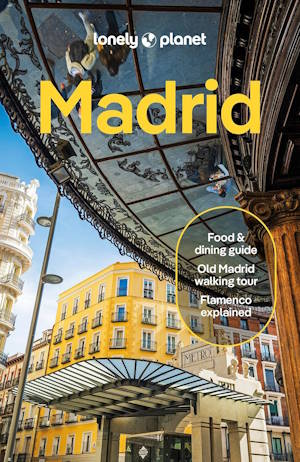
Lonely Planet Madrid
A comprehensive travel guide with up-to-date itineraries, maps, and expert tips for exploring Madrid’s neighborhoods, museums, and culture.
View Book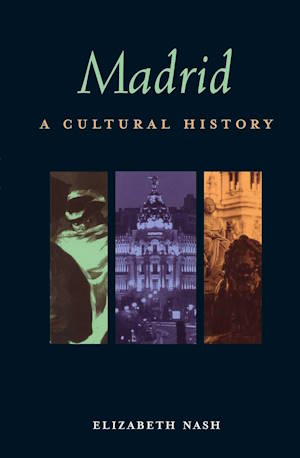
Madrid: A Cultural and Literary Companion
A thoughtful narrative that traces Madrid’s cultural development, society, and identity from its imperial origins to modern times.
View BookOther facts about Madrid
Sources & References
- Wikidata
- Demographics of Madrid on Wikipedia (accessed on 27 February 2026)